
Early assessment brings bigger savings
Projects that applied BREEAM Infrastructure from strategy through construction reported higher savings than those that began their assessment later. If your scheme is at strategy or design stage, it could benefit from these savings.
Our analysis draws on 16 certified projects where published information included both the cost savings achieved and the stage at which BREEAM Infrastructure was applied. They include schemes in the UK, Norway, Sweden and Qatar. Projects assessed across the whole project reported the highest savings as a share of project value, while those that began assessment during construction reported the lowest. All figures are the project teams’ own estimates.
The difference is timing. At the strategy and design stages, structures can still be moved easily and materials can still change. By the time a project reaches the construction stage, the main option left is how soil and materials are handled on site.
Average reported saving as a share of project value, by BREEAM Infrastructure assessment type
Hover over or tap a data point to explore the types of savings reported at each assessment stage, with links to the case studies.
Where the savings came from
Changing the design
Reusing materials
Changing the construction method
Around £2m saved on the M11 Junction 7A scheme
How the Connaught Tunnel team saved £1.84m
Crossrail’s Connaught Tunnel team in London itemised £1.84m of savings across five measures:
- automated instrumentation and monitoring: £1m
- a revised piling method: £300k
- a vehicle restraint wall built into the track slab: £250k
- changes to the dewatering system: £185k
- reuse of track ballast in load transfer platforms: £100k
The total came to around 3.5% of project value on a single Whole Project assessment.
BREEAM Infrastructure projects that start at the construction stage can still save money
Resilience requirements are set at the strategy stage
Starting early also matters for resilience. BREEAM Infrastructure asks project teams to identify the resilience requirements for a scheme before the end of the strategy stage, based on a current risk assessment and advice from relevant experts.
Credits for assessing climate change risk are available at the strategy and design stages, but not at construction. Those are the stages when the route and layout of a scheme can still be planned to reduce its exposure to flooding and overheating.
About the data
Figures are the project teams’ own estimates, taken from published case studies and BREEAM Awards 2026 submissions and published with their consent. The averages are drawn from 16 certified projects: six Whole Project or Whole Team assessments, three Design and Construction assessments and seven Construction only assessments. One project’s reported saving is excluded pending confirmation.
Savings are shown before the cost of assessment. We have not added savings together across projects, because the schemes vary widely in size. Ratings and scheme versions are taken from signed certificates. Some projects were certified under CEEQUAL, which is now BREEAM Infrastructure. The relevant scheme version is stated in each case study.
Fewer than half of our published case studies include a cost figure. Most report carbon, waste or social outcomes instead. We will add projects to this analysis as more teams report both their savings and the stage at which their assessment began.
Start where the savings are greatest
Read the case studies
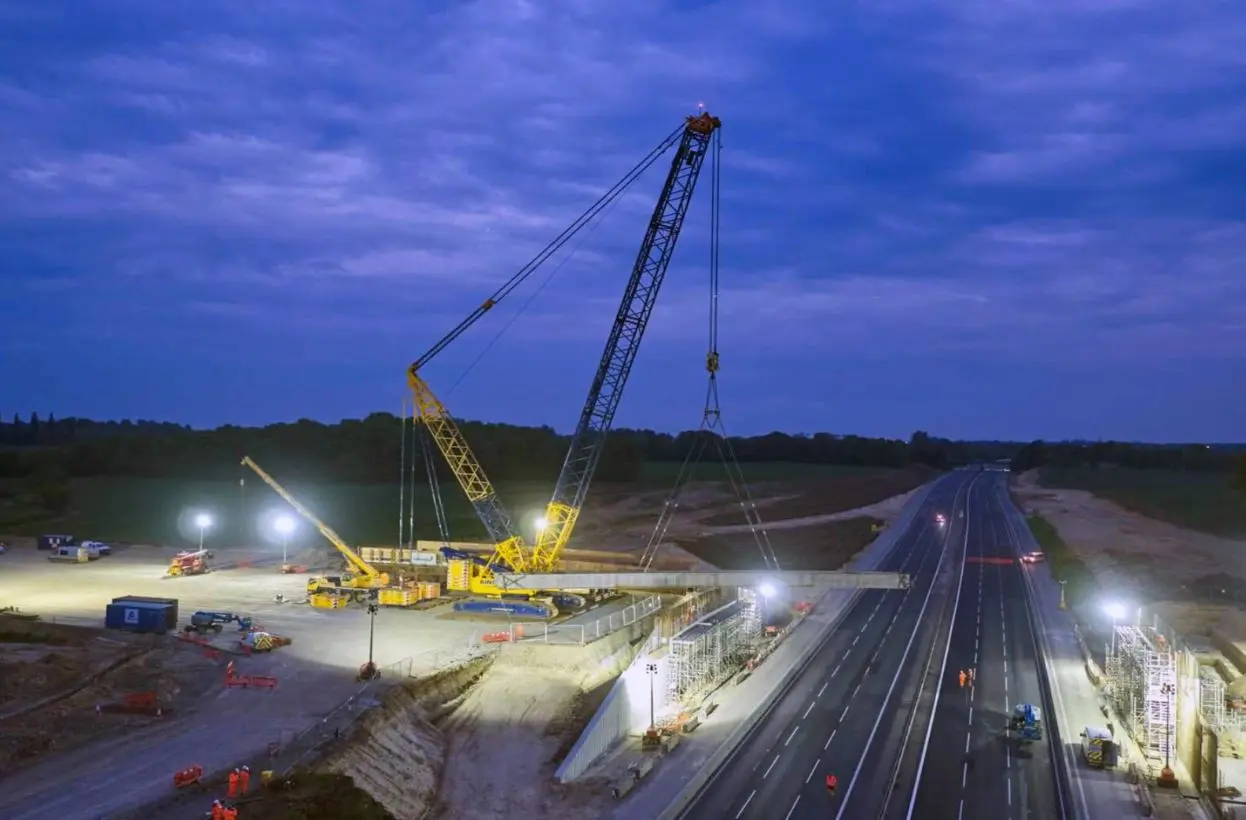
M11 Junction 7A achieves BREEAM Infrastructure Excellent
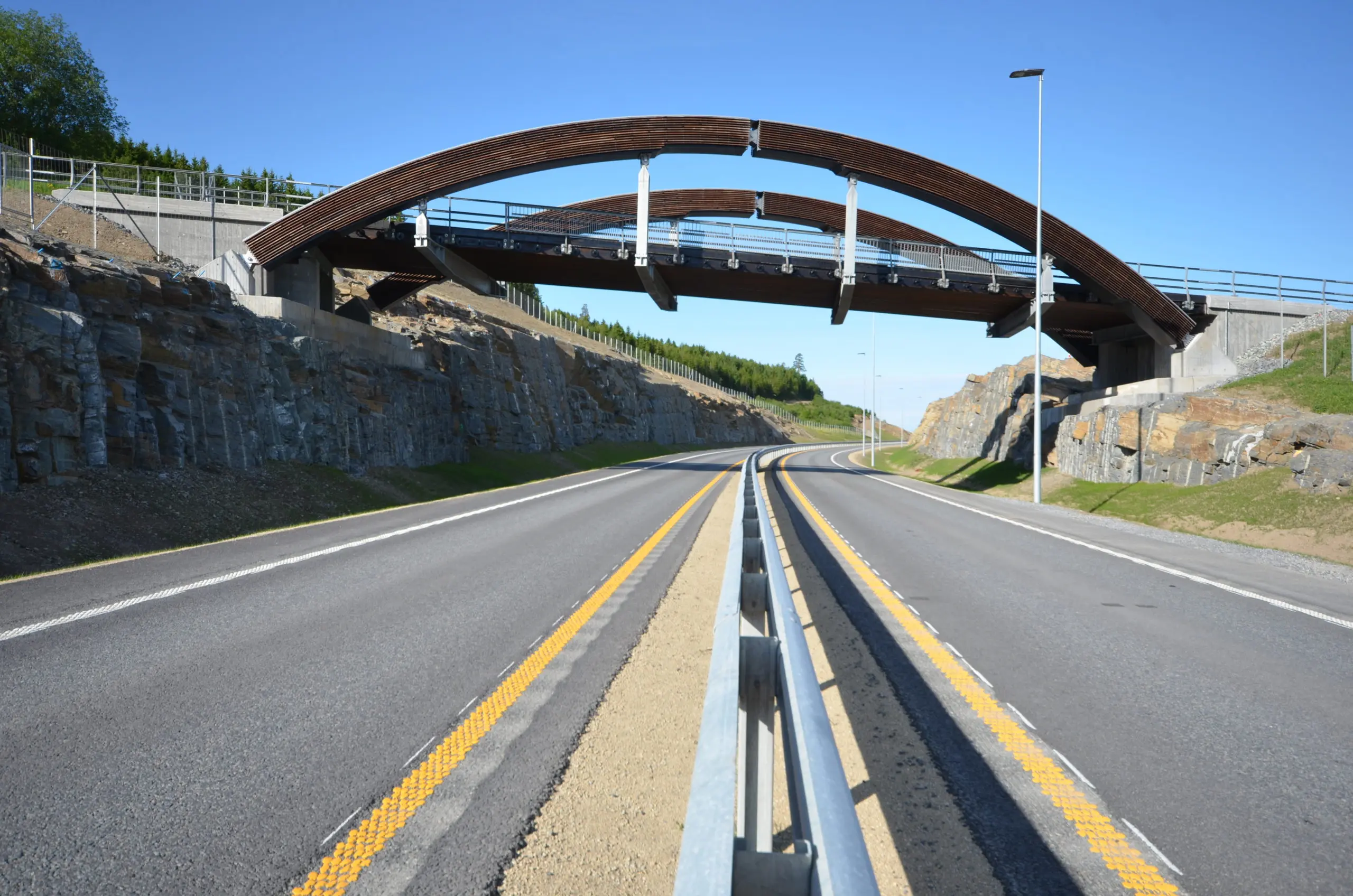
New E16 road in Norway gets BREEAM Infrastructure rating of Very Good
